Key takeaways
- Stainless steel resists corrosion and provides a solid metal base for card artwork.
- Luxury Kards describes its card stock as stainless steel without assigning a grade here.
- Matte Stainless is included; Brushed and Polished Stainless are finish upgrades.
- Thickness and artwork choices affect the finished card’s feel and appearance.
What type of stainless steel is used for metal cards?
Stainless steel for metal cards is a corrosion-resistant steel material that provides a solid base for card artwork. Luxury Kards describes its card material as stainless steel; the useful buyer questions are how the surface looks, how thick the card should feel, and how the design will be printed or etched.
Stainless steel is used in many products because it combines steel’s strength with resistance to corrosion. The exact behavior of a finished piece depends on its alloy, surface, environment, and care. For a metal business card, the selected finish and thickness are visible parts of the experience.
Why is stainless steel corrosion resistant?
Stainless steel contains chromium, which helps form a thin protective surface layer that resists corrosion. That layer can renew when exposed to oxygen, though stainless steel is not immune to every condition. Exposure, handling, and the specific alloy all affect how a steel surface behaves.
This general material property makes stainless steel useful for products that need a clean metal surface. It does not mean that every stainless steel grade behaves identically or that a card cannot be marked or damaged. Treat the material as a metal surface and follow reasonable care for the environment where you use it.
The grade matters in manufacturing, but the available product information for these cards identifies the stock as stainless steel without stating a specific grade. Avoid assuming a grade based on the appearance of the card or on a description of another product. The material name and the finish are separate pieces of information.
Why use stainless steel for metal cards?
Stainless steel gives a business card a solid metal base that can carry printed and etched artwork. Its surface can also be presented in different finishes, so the material works with quiet, brushed, or more reflective design directions. The choice lets the card feel distinct from paper while keeping the name and contact details central.
Thickness changes the feel in the hand. Current stainless card guidance includes 0.3 mm, 0.5 mm, 0.7 mm, and 1.0 mm options. A thinner card feels lighter; a thicker card has more heft. The appropriate choice depends on the impression you want and the options available for the product.
These differences are useful when planning a card for introductions, memberships, or another business use. They are design and format decisions, not a promise that one thickness suits every purpose. Review the actual specifications and options before finalizing the artwork.
How do the stainless finishes differ?
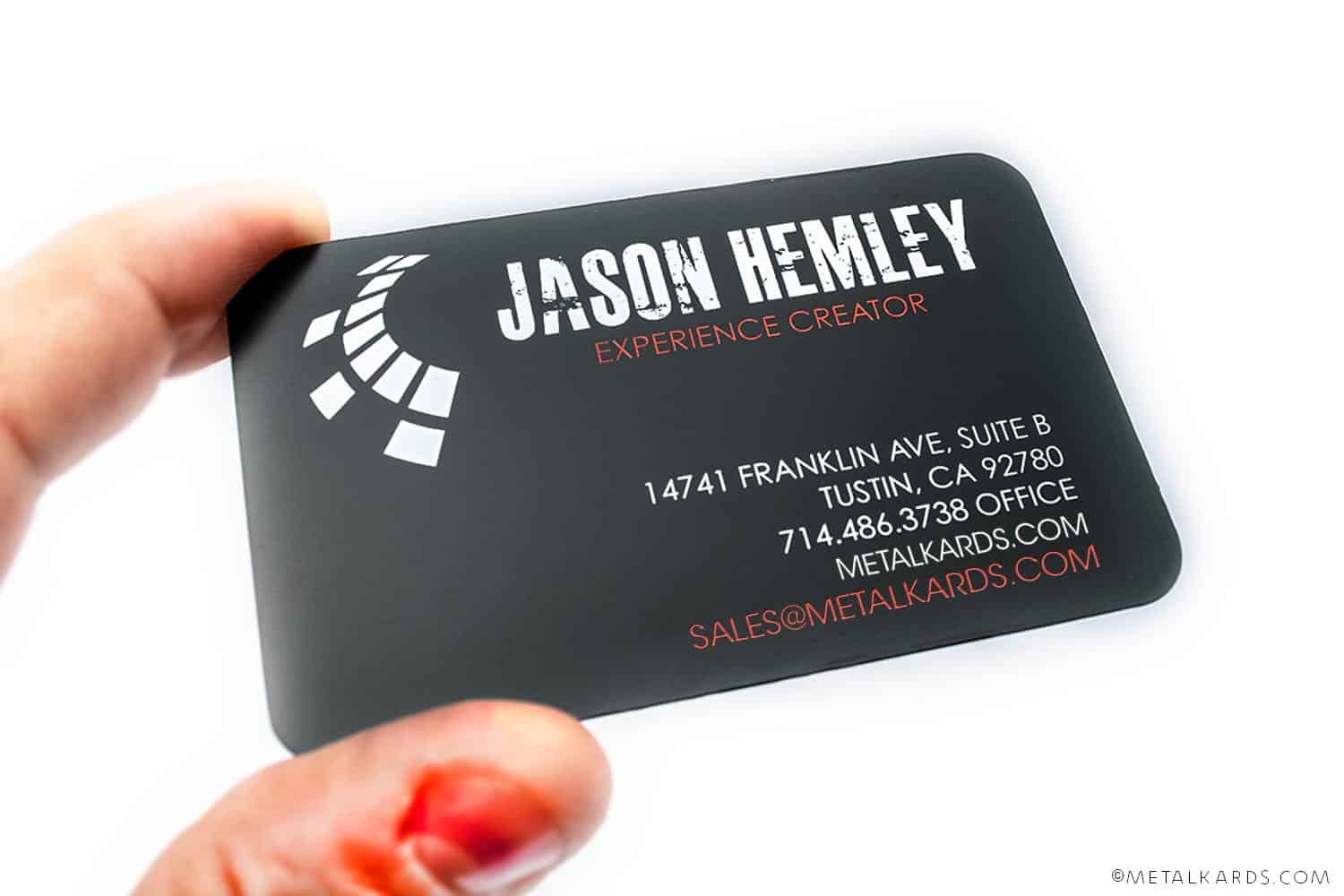
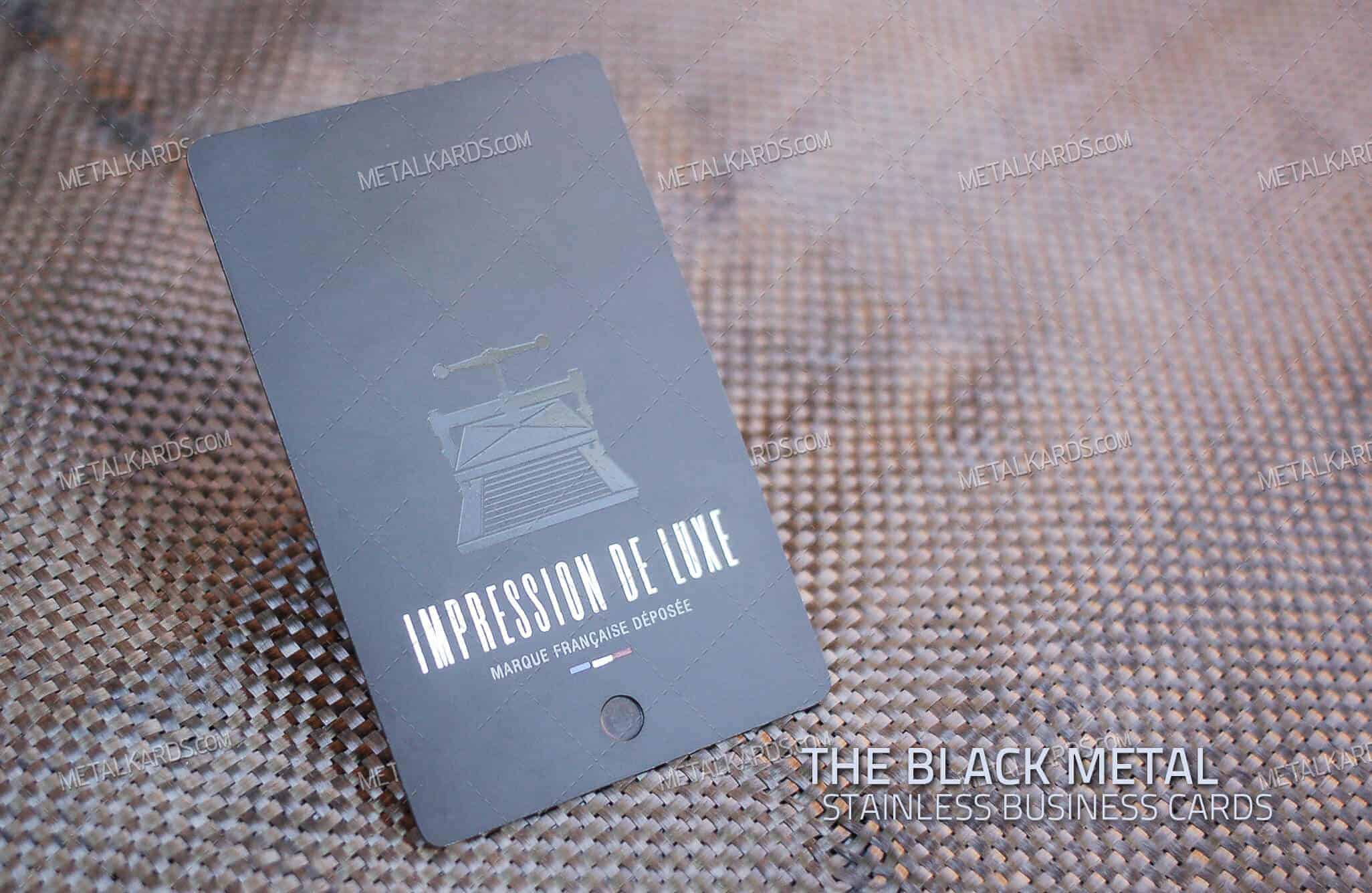
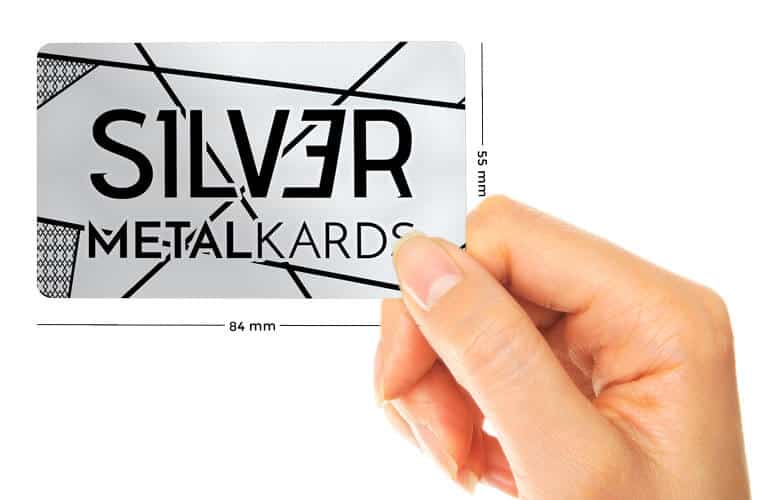
Matte Stainless is the included finish and has a soft, low-shine appearance. Brushed Stainless adds a fine directional grain and a satin character. Polished Stainless is smooth and mirror-bright, reflecting more light as the card moves. Brushed and Polished Stainless are finish upgrades.
Choose the surface with the artwork in mind. Fine grain changes how light moves across the card; a polished finish makes reflection more noticeable; the matte surface keeps reflections subdued. Screens are not calibrated samples, so use finish images as references rather than exact predictions of how the card will look in every setting.
The finish describes the visible surface, not a change from stainless steel to a different base metal. If you are comparing options, look at the finish names and descriptions together with your design. Consider how the logo, small text, and open metal areas will read on the selected surface.
What artwork works with stainless steel cards?
Production-ready artwork needs clear shapes and instructions. Vector files such as AI, EPS, or PDF are listed in the product guidance; outline fonts, embed linked files, and show which areas should be printed or etched on each side. A bitmap image can be used for full-color printed areas, but it does not provide the same scalable paths as vector artwork.
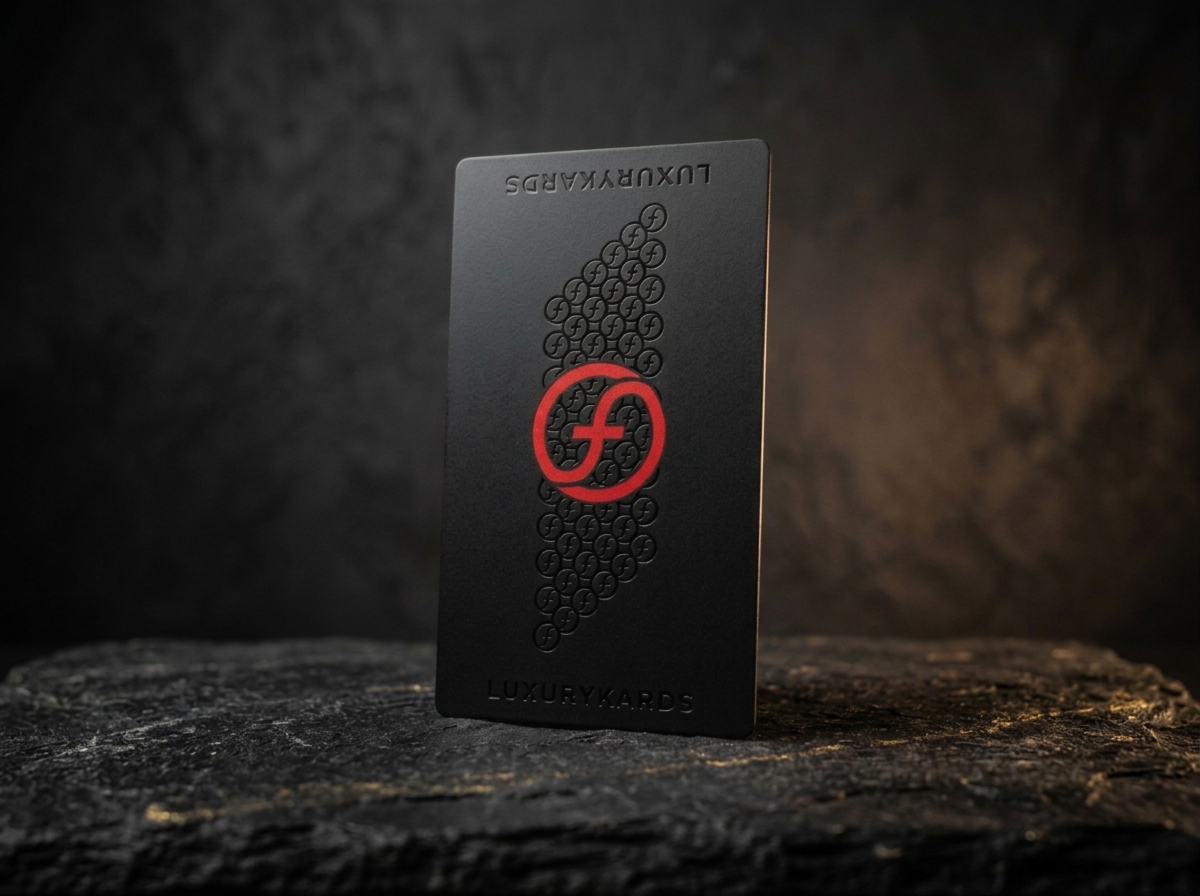
One printed color and standard etching are included in current product guidance. Full-color printing and full-bleed options are paid upgrades. Review the selected product’s available choices and displayed total, since finishes, thicknesses, and artwork options can differ across materials.
If you have a finished logo but need a card layout, the Metal Card Design Package is a paid add-on. If you are preparing files yourself, use the current product template and check the final artwork at card size before approving it.
How should you choose stainless steel for metal cards?
Begin with the purpose of the card and the way you want it to feel. Choose a thickness that suits the weight you want in hand, then compare Matte, Brushed, and Polished Stainless against the design. Keep names and contact information readable, and avoid adding detail that competes with the main message.
Before ordering, verify the artwork files, text, and selected options. Check that you have included the right print and etch instructions and that each side is clear. If a feature is important, state it directly in the notes rather than expecting the production team to infer it from a visual mockup.
Stainless steel is a useful material for a metal business card because it offers a solid surface, corrosion resistance, and finish choices that support different visual styles. Select the combination of finish, thickness, and artwork that fits your design, then confirm the product details on the order page.
Compare the current options
Plan your stainless steel cards
Review the stainless finishes, thickness choices, and artwork options before building your card design.
Prefer to talk it through? Call +1 (866) 314-5273